
Views: 0 Author: Site Editor Publish Time: 2026-06-11 Origin: Site
Air shock absorbers are vital for vehicle comfort and safety. Choosing the right wholesale air shock absorber supplier matters. The market is growing fast with new technology and demand. In this post, you’ll learn how to select suppliers and understand industry trends.
An air shock absorber uses compressed air instead of just hydraulic fluid to absorb bumps and vibrations. Unlike traditional hydraulic shock absorbers, which rely solely on oil flowing through valves to dampen movement, air shocks combine air springs with damping. This allows them to adjust ride height and stiffness dynamically. The air provides a spring effect, while the hydraulic fluid controls the damping. This combination gives air shocks more flexibility and comfort, especially when carrying different loads.
1. Twin-Tube
This design has two tubes: an inner working tube and an outer reservoir tube. Hydraulic fluid moves between them to absorb shocks. It’s cost-effective and common in economy vehicles but has limited heat dissipation.
2. Monotube
A single tube contains both the piston and gas chamber separated by a floating piston. Nitrogen gas prevents fluid foaming, improving performance and heat management. It’s pricier but preferred for performance and heavy-duty vehicles.
3. Gas-Charged
These are hydraulic shocks filled with nitrogen gas to reduce aeration and improve consistency. They offer better ride quality than standard hydraulic shocks without the high cost of monotube designs.
4. Adjustable
Shock absorbers with adjustable damping let users change firmness, adapting to different driving conditions. They are more complex and expensive but favored by performance enthusiasts and specialty fleets.
5. Air Suspension
This system replaces traditional springs with air springs controlled by compressors. It offers ride height adjustment and superior comfort but comes at the highest cost and complexity.
Air shocks excel in load leveling and ride height control. They provide smoother rides, especially under varying loads, by adjusting air pressure. This adaptability reduces wear on other suspension parts and improves vehicle stability. However, they require compressors and control systems, increasing maintenance complexity. Performance-wise, air shocks offer premium comfort and flexibility but often at a higher price point compared to hydraulic types.
Air shock absorbers are ideal for:
Luxury vehicles requiring adjustable ride comfort
Commercial trucks and trailers needing load leveling
SUVs and off-road vehicles benefiting from variable stiffness
Specialty vehicles where ride height adjustment improves handling
They are less common in economy passenger cars due to cost and complexity but growing in popularity with hybrid and electric vehicles.
Air shocks sit at the top end of the price spectrum. Their advanced technology and additional components—compressors, sensors, control units—drive costs up. This positions them in premium, luxury, and commercial vehicle markets. For wholesale buyers, air shocks represent a smaller volume but higher margin segment. Suppliers must focus on quality certifications and after-sales support to justify the premium. Market trends show growing demand aligned with vehicle electrification and luxury upgrades.
Tip: When sourcing air shock absorbers wholesale, match configurations carefully to vehicle type and market segment to balance cost and performance effectively.
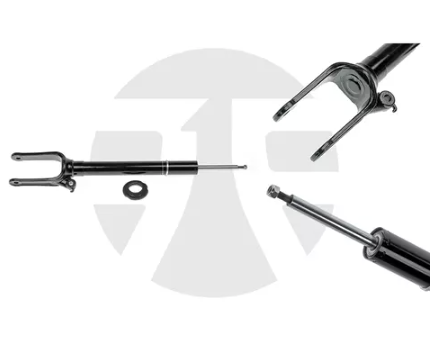
When sourcing wholesale air shock absorbers, certain technical specs are non-negotiable. First, verify the operating pressure range—it must match the vehicle’s suspension system to ensure proper ride height and damping. Next, check the stroke length and mounting dimensions for compatibility with the intended vehicle model. The air spring volume influences load capacity and ride comfort, so confirm it aligns with your application needs.
Also, assess the damping characteristics: look for shock absorbers offering adjustable or preset damping forces depending on your market segment. The material quality of components like piston rods and seals affects durability and corrosion resistance. Lastly, confirm the temperature range for operation, especially if targeting extreme climates, as air shocks must perform reliably in both hot and cold conditions.
Certifications serve as trust signals in B2B transactions. The IATF 16949 is the automotive industry’s gold standard for quality management, mandatory for OEM suppliers. It ensures suppliers maintain rigorous processes covering design, production, and service.
For aftermarket or general wholesale buyers, ISO 9001 certification is often the baseline requirement. It confirms consistent quality management practices but is less specific than IATF 16949.
Additional certifications may include ISO 14001 for environmental management or OHSAS 18001 for occupational health and safety, reflecting a supplier's commitment to sustainable and safe operations.
Beyond management certifications, performance testing validates product reliability.
ISO 18164 covers fatigue testing for suspension components, ensuring shock absorbers withstand repeated stress cycles without failure.
ASTM B117 is the salt spray corrosion test. A shock absorber passing 500+ hours demonstrates strong resistance to rust, crucial for longevity in harsh environments.
SAE J1466 defines performance testing methods for shock absorbers, including damping force and response consistency.
Request third-party test reports from reputable labs (e.g., SGS, TÜV) to verify these standards.
Compliance with regional regulations is vital for market access:
DOT certification is mandatory for the U.S. market, ensuring safety standards for road use.
E-Mark covers European Union requirements, indicating conformity with EU automotive directives.
GCC certification is required for Gulf Cooperation Council countries, addressing regional climate and safety norms.
INMETRO applies to Brazil, certifying product quality and safety for local automotive markets.
Always confirm your supplier’s products bear the relevant marks for your target regions.
Quality control frameworks reduce risks of defects and returns. A robust framework typically includes:
Pre-Production Checks (PPC): Verifying raw materials and component dimensions before manufacturing begins.
During Production Checks (DPC): Sampling units for functional tests, leak detection, and visual inspections during production.
Pre-Shipment Inspections (PSI): Final random sampling to ensure finished products meet agreed standards.
Implementing a Golden Sample Protocol—an approved sample signed by buyer and supplier—helps maintain consistent quality across orders.
For wholesale buyers, insisting on these quality control steps builds confidence, reduces warranty claims, and protects brand reputation.
Tip: Always request detailed test reports and certification documents upfront to verify your supplier’s compliance and product quality before placing bulk orders.
Start by verifying supplier certifications. IATF 16949 is essential for OEM-level quality, signaling a supplier meets strict automotive production standards. ISO 9001 shows solid quality management but is less specific. Ask for copies of valid certificates and confirm their scope covers air shock absorbers.
Factory audits reveal production capabilities and quality controls. Look for third-party audit reports from SGS, TÜV, or Bureau Veritas. These audits assess manufacturing processes, worker safety, and environmental compliance. A supplier passing these audits demonstrates operational transparency and reliability.
A good supplier offers a clear, detailed product range. Check if they provide multiple air shock absorber types—twin-tube, monotube, gas-charged, adjustable, and air suspension—to suit various applications. Transparent listing of technical specs like operating pressure, stroke length, and mounting dimensions is crucial.
Avoid suppliers with vague product descriptions or hidden configurations. Transparency helps you match products precisely to your vehicle market segment, avoiding costly mismatches or warranty claims.
Quality control during manufacturing is critical. Confirm the supplier follows a three-phase QC process:
Pre-Production Check (PPC): Raw materials, component dimensions, and process readiness verified before production.
During Production Check (DPC): Sampling for functional tests, leak detection, and visual inspection during assembly.
Pre-Shipment Inspection (PSI): Final random sampling to ensure finished goods meet agreed standards.
Ask if they use a Golden Sample Protocol—an approved sample signed by both parties—to maintain consistent quality across batches.
Warranty terms reflect supplier confidence and protect your investment. Typical warranties range from 6 to 24 months, depending on product tier. Longer warranties indicate robust quality and durability.
After-sales support is equally important. Check if suppliers offer technical documentation, installation guides, and responsive service for warranty claims. A supplier who handles returns professionally and supports troubleshooting reduces your risk and builds trust with your customers.
Fast, clear communication is vital. Evaluate how quickly suppliers respond to inquiries and RFQs. Responsive suppliers demonstrate professionalism and prioritize customer relationships.
Technical documentation availability—like datasheets, installation manuals, and test reports—helps your team and end-users. It also supports marketing efforts by proving product quality. Suppliers providing these resources show transparency and commitment to customer success.
Tip: Prioritize suppliers with verified certifications, transparent product details, robust quality control, clear warranty policies, and prompt communication for a smooth, risk-free wholesale partnership.

Alibaba.com stands out as a top platform for finding wholesale air shock absorber suppliers. It hosts thousands of verified manufacturers and trading companies from around the world. You can filter suppliers by certifications, factory audits, and product types to narrow your search. Besides Alibaba, platforms like Global Sources, Made-in-China, and IndiaMART also offer extensive supplier databases. Use these platforms to compare product ranges, prices, and buyer reviews before making contact.
When searching, use specific keywords such as "IATF 16949 certified air shock absorber" or "adjustable air suspension wholesale" to get targeted results. Many suppliers showcase detailed product specs, certifications, and test reports on their profiles, helping you assess credibility quickly.
A detailed Request for Quotation (RFQ) is key to getting accurate quotes and faster responses. Include exact part numbers or OE references, technical specs like operating pressure, stroke length, and mounting dimensions. Specify the air shock absorber type—twin-tube, monotube, gas-charged, or air suspension—to avoid misunderstandings.
Also, provide your expected annual or monthly volume forecasts. This helps suppliers offer better pricing and production planning. Mention packaging preferences and target price if applicable. Clear RFQs demonstrate professionalism and reduce back-and-forth, speeding up negotiations.
MOQs can be a barrier, especially for smaller buyers. Most factories require MOQs ranging from 300 to 500 pieces per part number. However, many suppliers are open to negotiation, especially for first-time buyers.
Propose a smaller trial order to test product quality and supplier reliability. Frame it as a step toward a larger contract if the trial meets your standards. Some suppliers may accept combined orders of multiple SKUs to meet MOQs. Always clarify payment terms and lead times upfront to avoid surprises.
If your volume is below supplier MOQs, consider forming buying groups with other businesses. Pool orders from non-competing companies in your region to reach the required quantities. This strategy helps you access factory pricing and build supplier relationships without overstocking.
Buying groups can share shipping costs and split shipments, reducing logistics expenses. Be sure to formalize agreements among members to ensure smooth cooperation. This approach is especially popular in emerging markets where individual buyers struggle to meet high MOQs.
Many wholesale air shock absorber suppliers offer customization and private labeling services. You can request modifications like specific mounting brackets, color finishes, or packaging designs to match your brand identity.
Private labeling helps differentiate your products in competitive markets. Before committing, verify the supplier’s ability to maintain consistent quality on customized orders. Ask for samples and confirm lead times for private label production. This service often requires higher MOQs but can significantly boost your brand value and customer loyalty.
Tip: When sourcing air shock absorbers wholesale, always provide clear, detailed RFQs and be ready to negotiate MOQs or form buying groups to unlock factory pricing and build strong supplier partnerships.
The air shock absorber market features several top-tier manufacturers known for quality, innovation, and extensive product lines. These companies supply both OEMs and aftermarket channels, offering parts that meet strict standards.
KYB (Kayaba) from Japan is the world’s largest OE supplier. They produce over 75 million shock absorbers annually, supplying major automakers like Toyota and Honda. KYB’s strength lies in OEM-quality parts with consistent reliability and fitment.
ZF Friedrichshafen (Sachs) in Germany focuses on European OEM and aftermarket markets. They bring advanced damping technologies and high-performance solutions trusted by premium vehicle brands.
Bilstein from Germany is synonymous with performance and monotube gas-pressure technology. Their products excel in motorsport and high-end tuning markets, favored by enthusiasts and specialty fleets.
Monroe (Tenneco), based in the USA, leads the mainstream aftermarket with a vast catalog covering most vehicles on the road. Their brand recognition and broad vehicle coverage make them a go-to for general repair shops and distributors.
Koni from the Netherlands specializes in adjustable and high-quality dampers, appealing to performance and niche segments.
Fox Factory (USA) targets off-road and racing applications, offering extreme performance shock absorbers with a racing pedigree.
Performance brands stand out by pushing suspension technology boundaries:
Bilstein’s monotube gas-pressure technology offers superior heat dissipation and damping consistency, vital for racing and heavy-duty use.
Koni’s adjustable dampers allow users to fine-tune ride stiffness for varying road or track conditions, enhancing versatility.
ZF Sachs integrates advanced damping algorithms and materials to optimize ride comfort and handling for luxury and commercial vehicles.
These manufacturers invest heavily in R&D and often publish technical validations in industry journals, reinforcing trust.
Monroe dominates aftermarket channels with extensive product lines covering passenger cars, trucks, and SUVs. Their wide availability and brand familiarity support large repair chains and distributors globally.
KYB and ZF also supply aftermarket segments but focus more on OEM-quality replacements, bridging the gap between original parts and cost-effective alternatives.
Direct contact with these manufacturers is key to unlocking factory pricing and customization options. Here’s a practical approach:
Identify the right contacts: Use LinkedIn or company websites to find titles like “Global Sourcing Manager,” “Aftermarket Sales Director,” or “OEM Account Manager.”
Prepare a professional introduction: Include company profile, annual purchase volume, target markets, and business model.
Craft a detailed RFQ: Specify part numbers, technical specs, forecasted volumes, target prices, and packaging needs.
Follow up politely: Wait 7-10 business days before a courteous reminder.
Negotiate MOQs: Be ready to discuss minimum order quantities and propose trial orders if volumes are low.
Asia (China, Japan, Taiwan): Offers cost-effective production, flexible MOQs, and rapid scaling. Japan’s KYB leads OEM supply, while China and Taiwan host many emerging manufacturers targeting aftermarket and niche segments.
Europe (Germany, Netherlands): Known for precision engineering and premium quality. Brands like Bilstein, ZF, and Koni dominate here, ideal for buyers seeking performance and luxury vehicle parts.
North America (USA): Home to Monroe and Fox Factory, focusing on aftermarket breadth and off-road performance respectively. Proximity benefits logistics for buyers in the Americas.
Each region brings unique advantages in cost, quality, and innovation. Selecting suppliers aligned with your market and product positioning is crucial.
Tip: When reaching out to top air shock absorber manufacturers, tailor your communication to highlight your purchase volume and market focus, increasing chances of direct wholesale partnership and better terms.
Buyers often worry about shock absorbers failing prematurely or causing safety issues. Reliable air shock absorbers must meet strict quality and durability standards. Wholesale suppliers address this by providing certifications like IATF 16949 and ISO 9001, plus performance test reports (ISO 18164 fatigue tests, ASTM B117 corrosion resistance). These documents prove products withstand real-world stresses and harsh environments.
Suppliers also implement rigorous quality control processes, including pre-production checks, in-line inspections, and pre-shipment audits. This reduces defects and ensures every unit performs consistently. Buyers should insist on a golden sample protocol to lock in quality standards for each order.
Air shock absorbers must work reliably across temperature extremes. Cold climates can thicken hydraulic fluid, reducing damping efficiency. Hot climates can degrade seals and materials faster. Wholesale suppliers tackle this by offering climate-adapted formulations and components.
For cold regions, suppliers may use low-viscosity hydraulic fluids and cold-resistant seals tested down to -40°C. For hot climates, heat-resistant materials and corrosion-proof coatings help maintain performance. Buyers targeting diverse markets should request climate-specific test data and confirm supplier experience in those conditions.
Misunderstanding product specs leads to costly returns and customer dissatisfaction. Buyers need clear, detailed info on shock absorber type (twin-tube, monotube, gas-charged, adjustable, air suspension), operating pressure, stroke length, and mounting dimensions.
Top suppliers provide comprehensive datasheets and label products clearly. They distinguish gas-charged from hydraulic units and specify compatibility by vehicle make and model. Transparent configuration info helps buyers match products correctly, reducing warranty claims and enhancing brand reputation.
Installation errors cause many performance problems. Wholesale suppliers who offer technical support ease buyer concerns. This includes detailed installation manuals, videos, and troubleshooting guides.
Some suppliers provide QR codes linking to online resources or direct access to technical specialists. This support helps distributors, mechanics, and end-users install air shocks correctly, boosting customer satisfaction and lowering returns.
Warranty policies reflect supplier confidence and reduce buyer risk. Typical warranties range from 6 to 24 months depending on product tier. Clear terms on coverage, claim procedures, and response times build trust.
Suppliers with efficient after-sales service handle claims promptly and fairly. They analyze returned units to improve quality and reduce future failures. Buyers should choose suppliers with proven warranty management and transparent return processes to protect their business and reputation.
Tip: Always verify your wholesale air shock absorber supplier’s quality certifications, climate-specific test data, and after-sales support capabilities before placing large orders to avoid costly surprises and ensure long-term reliability.
The rise of hybrid and electric vehicles (EVs) reshapes air shock absorber demand. These vehicles have different weight distribution and suspension needs due to heavy batteries and electric drivetrains. Air shock absorbers, with their adjustable ride height and load-leveling features, fit well into this new landscape.
Hybrids and EVs often require quieter, smoother rides and better vibration control. Air shocks can adapt dynamically to varying loads and road conditions, improving comfort and handling. As automakers push for more EV models, suppliers offering air shocks tailored for these vehicles will find growing opportunities.
Additionally, the trend toward regenerative braking and lighter chassis materials changes suspension dynamics. Air shock absorbers can be engineered to meet these evolving requirements, making them a preferred choice for next-generation vehicles.
Air suspension technology is advancing rapidly. Modern systems integrate smart sensors, electronic controls, and adaptive algorithms to optimize ride quality and safety.
Some innovations include:
Active air suspension: Automatically adjusts damping and ride height in real time based on road conditions and driving style.
Lightweight materials: Use of composites and aluminum reduces system weight, improving fuel efficiency and EV range.
Wireless control modules: Simplify installation and diagnostics, allowing remote tuning and predictive maintenance.
Integration with vehicle stability systems: Enhances handling by coordinating suspension adjustments with braking and traction control.
These advancements create a competitive edge for suppliers who invest in R&D and partner with OEMs. Wholesale buyers should seek suppliers offering the latest air suspension tech to meet future market demands.
Asia-Pacific is the fastest-growing market for air shock absorbers. Rapid urbanization, rising vehicle ownership, and expanding commercial fleets drive demand. Countries like China, India, Southeast Asia, and Australia show strong growth in both OEM and aftermarket segments.
Emerging regions in Latin America, Africa, and the Middle East also present new opportunities. Infrastructure development and increasing demand for durable suspension components boost air shock absorber sales.
For wholesale buyers, targeting suppliers with manufacturing bases or distribution networks in these regions can reduce lead times and costs. Understanding local market preferences and certifications is essential to capitalize on these expanding markets.
Sustainability is becoming a priority in automotive supply chains. Eco-friendly manufacturing practices reduce environmental impact and appeal to socially conscious buyers.
Key trends include:
Use of recycled materials: Incorporating recycled steel and polymers in shock absorber components.
Energy-efficient production: Factories adopting renewable energy and waste reduction processes.
Low-VOC coatings and sealants: Minimizing harmful emissions during manufacturing.
Extended product life cycles: Designing air shocks for durability and easy recycling.
Wholesale suppliers embracing green certifications and transparent sustainability reports gain trust from global buyers aiming to meet their own environmental goals.
In B2B wholesale markets, long-term partnerships trump one-off transactions. Suppliers who consistently deliver quality, support, and innovation build strong reputations.
Key strategies include:
Transparent communication: Sharing test data, certifications, and production updates openly.
Responsive after-sales service: Quick handling of warranty claims and technical support.
Collaborative development: Working with buyers on custom solutions and market feedback.
Consistent quality control: Adhering to rigorous inspection protocols and continuous improvement.
For buyers, investing time in supplier relationship management reduces risks and unlocks benefits like better pricing, priority production slots, and early access to new products.
Tip: Stay ahead by partnering with suppliers investing in EV-compatible air shocks, smart suspension tech, and sustainable manufacturing to capture emerging market growth and build lasting B2B relationships.
Maximizing success with wholesale air shock absorber suppliers requires focusing on quality, certifications, and precise configuration matching. Strategic sourcing, including clear communication and negotiation, gives buyers a competitive edge. Engaging proactively with suppliers ensures continuous improvement and reliable partnerships. Choosing suppliers like www.tianyiautoparts.com Linyi Tianyi Shock Absorber Co., Ltd. offers high-quality products with advanced features that deliver value and performance, supporting long-term business growth and market success.
A: A wholesale air shock absorber supplier provides bulk quantities of air shock absorbers to businesses, offering various types like twin-tube, monotube, and adjustable configurations suitable for different vehicle needs.
A: Evaluate suppliers based on certifications like IATF 16949, product range transparency, quality control processes, warranty terms, and responsiveness to ensure reliable and compatible air shock absorbers.
A: Wholesale air shock absorber suppliers offer products with advanced technology, including compressors and sensors, which increase costs but provide better ride comfort and load leveling.
A: Benefits include access to premium ride quality, adjustable stiffness, load leveling, and supplier support with certifications and after-sales service.
A: Work with your wholesale air shock absorber supplier to access technical resources, installation guides, and warranty support to resolve performance or installation problems effectively.


