
Views: 0 Author: Site Editor Publish Time: 2026-07-23 Origin: Site
Maintaining vehicle stability, braking efficiency, and ride comfort presents a persistent engineering challenge for anyone hauling heavy loads. Drivers frequently transition between unloaded daily driving and heavy payload hauling, forcing static suspension systems into a difficult compromise. Traditional coil or leaf springs either suffer from severe rear-end sag under heavy loads or deliver an excessively harsh ride when empty. You simply cannot optimize a static steel spring for both extremes without sacrificing performance on one end. The solution lies in dynamic suspension adjustments. An air shock absorber serves as an adjustable suspension component that utilizes compressed air to adapt to variable loads. This technology restores proper geometry and ride quality regardless of the cargo weight. By integrating pneumatic support directly into the dampening unit, operators gain complete control over their vehicle stance and handling dynamics.
Dynamic Load Management: Air shock absorbers utilize pressurized air chambers to actively adjust vehicle ride height and compensate for heavy payloads or towing weight.
System Variability: Solutions range from simple manually inflated shocks (via Schrader valves) to complex, automated on-board compressor systems controlled from the cabin.
Performance vs. Complexity Trade-off: While offering superior leveling and vibration dampening, air systems introduce specific failure points, such as airline leaks and bladder degradation, requiring stricter maintenance protocols.
Primary Use Case: Best suited for trucks, SUVs, and commercial fleets that experience frequent, significant fluctuations in cargo weight or towing demands.
Table of Contents
Understanding the physical architecture helps you diagnose and maintain the system effectively in the field. The foundation of the unit is the shock body itself, which houses the internal hydraulic dampening fluid and the piston assembly. Unlike a standard shock, a flexible air bladder, often called a sleeve or bellows, surrounds the upper portion of the shock body. This sleeve is typically constructed from multi-ply reinforced rubber, designed to withstand constant flexing and exposure to road debris. Air line fittings, usually push-to-connect (PTC) style, connect this bladder to the inflation source. The air chamber integrates seamlessly with the traditional shock piston. This design provides dual-action support for the chassis. The hydraulic fluid controls the speed of suspension movement, while the pressurized air supports the physical weight of the vehicle and its cargo.
To break down the anatomy further, a standard pneumatic shock assembly consists of several distinct parts working together:
Upper Mount: Connects the shock to the vehicle frame, often utilizing polyurethane bushings to isolate road noise.
Air Sleeve: The reinforced rubber chamber that holds the compressed air and expands to lift the chassis.
Shock Body: The steel cylinder containing the hydraulic oil and valving system.
Piston Rod: The polished steel shaft that moves through the hydraulic fluid to dampen kinetic energy.
Air Fitting: The brass or composite port where the nylon air line connects to the sleeve.
Many people confuse standard air shocks with full air-ride systems, leading to incorrect purchasing decisions. Standard air shocks supplement existing coil or leaf springs. They assist with load carrying capacity but do not carry the entire weight of the vehicle on their own. You install them in place of your factory shocks, leaving your factory springs intact. Full air suspension systems completely replace traditional steel springs. They use heavy-duty air bellows for primary support, meaning if the air system fails, the vehicle drops to the bump stops. The shock absorber portion and the air spring element work in tandem in a supplemental system. Together, they manage chassis load and dynamic road forces efficiently without leaving you stranded if an air line gets pinched.
Pneumatic support relies on basic physics, specifically Boyle's Law. As you pump air into the confined space of the shock sleeve, the pressure increases, and the spring rate stiffens. This pressure physically pushes the upper and lower mounts apart, raising the vehicle chassis away from the axle. It cushions severe road shocks effectively by providing a progressive spring rate; the more the suspension compresses, the harder the air pushes back. Internal hydraulic valving continues to manage kinetic energy. It handles the rebound and compression cycles to stop the vehicle from bouncing uncontrollably. Meanwhile, the air sleeve manages the static load and ride-height adjustment, keeping the vehicle level even when you drop a heavy trailer onto the hitch.
Basic air shocks require manual inflation. You fill them via an external air compressor at a gas station or with a portable 12-volt pump. They use standard Schrader valves, identical to the ones on your tires, usually routed to the rear bumper or license plate area. Integrated air-ride suspensions feature automated components. These include ECU-controlled compressors, manifold blocks, and ride-height sensors mounted to the frame and axle. Real-time cabin controls allow instant adjustments on the fly. Automated systems offer incredible convenience, especially for drivers who hook and unhook trailers daily, but they require complex wiring, relays, and plumbing that increase the installation time and potential failure points.
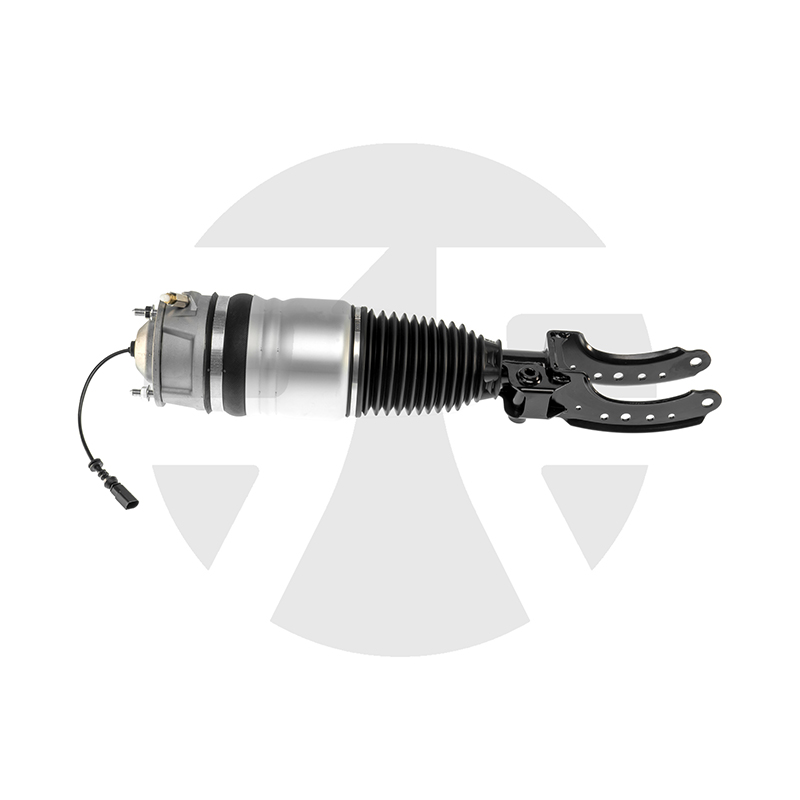
Static shocks rely entirely on the vehicle's primary springs for ride height. A standard hydraulic shock provides zero lift; it only dampens movement. If you load a ton of gravel into a truck bed, the factory leaf springs will flatten out, causing the rear end to sag. An air shock absorber actively supplements the spring rate. By adding 50 to 100 PSI to the system, you force the shock to extend, which prevents the suspension from bottoming out on the jounce bumpers. It restores original factory geometry under heavy loads. Proper geometry ensures safe vehicle operation, keeping your pinion angle correct and preventing premature wear on your U-joints and driveshaft.
Heavy-duty static springs create a harsh, punishing ride when the vehicle is unloaded. If you install one-ton leaf springs on a truck that usually runs empty, every pothole transfers road vibrations directly to the cabin, rattling your teeth. Air shocks provide an adjustable, cushioned ride. You simply deflate them to a normalized pressure, usually around 10 to 20 PSI, for daily driving. This flexibility eliminates the harshness associated with stiff steel springs. The air acts as an isolator, absorbing high-frequency vibrations from washboard dirt roads or broken pavement much more effectively than solid steel components.
Every suspension upgrade involves a reliability trade-off. Static shocks have a single primary failure mode. They usually suffer from seal blowouts or fluid leaks after tens of thousands of miles. Once the fluid leaks out, the shock is dead and must be replaced. Air shocks introduce several pneumatic vulnerabilities. You must monitor for compressor failures, blown fuses, and line chafing. Valve leaks also present common maintenance challenges. If a nylon air line rubs against a moving suspension component, it will eventually wear through, causing the shock to deflate entirely.
Feature | Traditional Static Shocks | Air Shock Absorbers |
|---|---|---|
Load Leveling Capability | None (relies entirely on factory springs) | Active adjustment via variable air pressure |
Unloaded Ride Quality | Harsh (if using heavy-duty upgraded springs) | Smooth (pressure can be dropped to 10 PSI) |
System Complexity | Low (sealed hydraulic unit, bolt-on) | High (requires airlines, valves, and bladders) |
Maintenance Requirements | Minimal (visual inspection for oil leaks) | Moderate (soap tests for air leaks, line routing checks) |
Installation Time | 1-2 hours (direct bolt-on replacement) | 3-5 hours (requires routing lines and mounting valves) |
Adjusting clearance offers significant operational benefits for trucks and SUVs. You can raise the vehicle slightly for off-road obstacles, preventing the rear bumper from dragging in deep ruts. You can lower it for easier cargo loading or to help passengers get into the cabin. Leveling the chassis improves aerodynamic efficiency during highway driving, which can marginally improve fuel economy. Dynamic adjustment keeps the vehicle versatile across different environments. When a vehicle sags in the rear, the front end lifts. This alters the caster and camber angles of the front wheels, leading to poor steering response and uneven tire wear. Leveling the rear brings the front end back down to its factory alignment specifications.
Restoring a level stance distributes weight properly to the front axle. When you drop a heavy trailer on the hitch, the rear suspension compresses, and the front suspension unloads. This unloading reduces the weight on the front tires, which compromises your ability to steer and brake. By inflating the rear shocks, you push the weight back forward. This ensures optimal steering response. Headlight alignment remains accurate, preventing you from blinding oncoming traffic at night. Braking traction improves significantly when all four tires maintain even contact with the road. Towing becomes much safer and more predictable, eliminating the dangerous trailer sway caused by a light front end.
Factory leaf or coil springs wear out over time. Heavy loads accelerate this degradation, causing the steel to lose its temper and permanently sag. Sharing the load with compressed air reduces metal fatigue. The air bladder takes a significant portion of the weight off the steel springs. This extends the operational lifespan of your primary suspension components. It prevents premature sagging and costly spring replacements. Instead of forcing your leaf springs to bend backward under a heavy payload, the pneumatic system absorbs the brunt of the force, keeping the springs in their optimal operating range.

You need a framework for evaluation before tearing into your suspension. Calculate the percentage of time your vehicle operates under heavy load. If you only tow a boat twice a year or occasionally haul mulch from the hardware store, manual air shocks are the perfect, cost-effective solution. You can fill them up with a bicycle pump or a gas station air hose when needed. Daily fleet hauling, hotshot trucking, or pulling a heavy fifth-wheel camper justifies an automated air-ride system with an onboard compressor. Match the technology to your actual usage patterns to avoid overcomplicating your build.
Analyze the initial hardware and installation costs. Compare air shocks against heavy-duty static alternatives like helper springs, add-a-leaf kits, or upgraded sway bars. Helper springs are cheap but ruin your unloaded ride quality. Air shocks cost more upfront and require more labor to install, but they offer unmatched versatility. Factor in long-term utility. Preserving vehicle geometry saves money on premature tire wear, which can easily offset the cost of the shocks over a few years. Enhanced safety, better braking distances, and reduced driver fatigue hold significant intrinsic value that static upgrades cannot match.
Evaluate your potential upgrade path. Many users start with manual fill valves routed to the rear bumper. This keeps initial costs low and gets the vehicle leveled quickly. Later, you can integrate an onboard compressor, a small air tank, and a manifold system. You scale the system as your budget or hauling needs increase. You can even add wireless controllers that let you adjust the pressure from your smartphone while standing outside the vehicle, watching the suspension level out in real-time.
Identify primary risks before installation so you can mitigate them in the shop. Dry rot in rubber air bladders causes slow leaks, especially in harsh climates with heavy road salt usage. Micro-leaks often occur at push-to-connect fittings if the air line is not cut perfectly straight. Compressor burnout happens due to continuous cycling from undetected leaks; if the system loses air, the compressor runs constantly trying to keep up until it melts the internal wiring. Regular visual inspections and listening for hissing sounds prevent these catastrophic failures.
Installation requires strict attention to detail. A sloppy installation guarantees leaks and blown lines. Follow these field-tested practices to ensure your system survives heavy use:
Route air lines away from high-heat sources like exhaust pipes and mufflers. Use heat shields or thermal sleeving if you must run lines within six inches of the exhaust.
Secure the air lines to the frame rails using heavy-duty zip ties or rubber-lined P-clamps every 12 to 18 inches to prevent sagging.
Move suspension parts through their full travel to prevent line chafing. Jack the truck up by the frame and let the axle droop completely to ensure the lines have enough slack.
Ensure square, clean cuts on air tubing using a dedicated tube cutter, not side cutters or a dull knife. A jagged cut will damage the O-ring inside the fitting and cause a terminal micro-leak.
Check clearances around the fully inflated air bladder. Verify there is at least a half-inch of space between the bladder and the tire, frame, or exhaust from full compression to full extension.
Establish a baseline maintenance routine immediately after installation. Perform periodic soap-water leak tests on all fittings, valves, and the bladders themselves. Spray a mixture of dish soap and water onto the connections and watch for expanding bubbles. Monitor minimum air pressure requirements strictly. Most manufacturers require a minimum of 10 to 20 PSI at all times. Driving with zero pressure causes the bladder to fold over and pinch upon itself, destroying the rubber in a matter of miles. Drain moisture from compressor tanks regularly to prevent internal corrosion and keep water out of the valve blocks.
An air shock absorber is an effective suspension upgrade for vehicles that regularly carry changing loads or tow trailers. By combining hydraulic damping with adjustable air pressure, it improves ride height, handling stability, towing safety, and overall driving comfort while helping reduce wear on the factory suspension system.
Choosing a reliable manufacturer is just as important as selecting the right product. Tianyi specializes in manufacturing air shock absorbers, air springs, air compressors, and complete air suspension systems for global OEM and aftermarket customers. Supported by advanced production equipment, comprehensive quality testing, and flexible OEM/ODM capabilities, Tianyi delivers dependable air suspension solutions that meet demanding international quality and performance standards.
Evaluate your towing frequency, payload requirements, and suspension configuration before choosing an air shock system.
Select high-quality air suspension components that provide reliable performance and long service life.
Follow proper installation and routine maintenance practices to prevent air leaks and extend system durability.
Purchase from experienced manufacturers with proven engineering expertise and strict quality control.
Before selecting an air shock absorber supplier, evaluate their manufacturing capabilities, testing standards, OEM/ODM experience, and after-sales support to ensure reliable long-term suspension performance.
A: Pressure varies by load and manufacturer. It typically ranges from a minimum of 10-20 PSI to prevent bladder damage, up to 150 PSI under maximum load.
A: While the vehicle may be drivable, it will likely suffer from severe rear-end sag, poor handling, and potential damage to the tire or wheel well. Immediate replacement is advised.
A: They have a realistic lifespan of 50,000 to 100,000 miles. This depends heavily on climate, road salt exposure, and adherence to minimum pressure requirements.
A: Standard air shocks supplement existing springs. Full air springs or air-ride suspensions completely replace the factory steel springs.
A: Yes. They allow the driver to level the vehicle when the trailer is attached and return to a softer, factory-like ride when the trailer is disconnected.
A: Spray a soap and water solution over the air lines, fittings, and the shock bladder itself. Look for bubbling that indicates escaping air.


