
Views: 0 Author: Site Editor Publish Time: 2026-07-23 Origin: Site
The transition of the Chinese automotive component sector from producing low-cost alternatives to engineering OEM-grade, technologically advanced suspension systems has fundamentally changed global procurement strategies. Procurement teams and engineers face a saturated, highly fragmented market. The core challenge is distinguishing between trading companies and a genuine air shock absorber manufacturer capable of delivering consistent damping performance, durable rubber bladders, and strict quality control. To navigate this complex landscape, buyers must establish a rigorous evaluation framework to audit potential suppliers. It is necessary to profile the top-tier factories by their specific manufacturing focus and outline the critical trade-offs in cost, scalability, and compliance. Understanding these dynamics ensures that sourcing decisions align with both technical requirements and long-term supply chain stability.
Certification is Non-Negotiable: A credible air shock absorber manufacturer must hold IATF 16949 certification, demonstrating adherence to global automotive quality management standards.
Supplier Specialization Matters: The market is segmented into OEM/Tier-1 suppliers, aftermarket replacement specialists, performance/heavy-duty engineers, and industrial automation providers. Alignment with your specific application is critical.
Testing Infrastructure Defines Quality: Shortlist only those manufacturers with in-house capabilities for fatigue testing, dynamic damping force analysis, and extreme temperature cycling.
Table of Contents
Defining the baseline requirements a factory must meet before being considered for a Request for Quotation is the first step in successful procurement. Filtering out unqualified suppliers early prevents costly delays and quality issues down the line. A reliable manufacturer must demonstrate both administrative compliance and robust technical capabilities on the factory floor. You need to look past the sales office and examine the actual production lines, testing labs, and raw material storage areas.
A mandatory requirement for any factory producing automotive components is the IATF 16949 certification. This standard ensures the manufacturer employs a rigorous quality management system specific to the automotive sector. For general manufacturing applications, ISO 9001 serves as the baseline. Furthermore, compliance with regional standards is essential. Suppliers exporting to Europe must meet TUV standards, while those targeting North America must adhere to DOT/SAE guidelines. When auditing a facility, always ask to see the latest audit reports from their certification body, not just the certificate hanging on the wall. Look for non-conformances and how the factory addressed them.
An air shock absorber requires precise engineering and validation. Shortlist manufacturers that possess advanced dynamometer testing equipment to verify damping curves across various velocities. Salt spray testing is necessary for assessing the corrosion resistance of metal housings, fittings, and anodized aluminum mounts. Additionally, burst pressure and million-cycle fatigue testing for the air spring and bladder components are non-negotiable to ensure long-term durability under dynamic loads. If a factory outsources its fatigue testing, you lose control over batch-to-batch validation. They need these machines in-house, calibrated, and running daily.
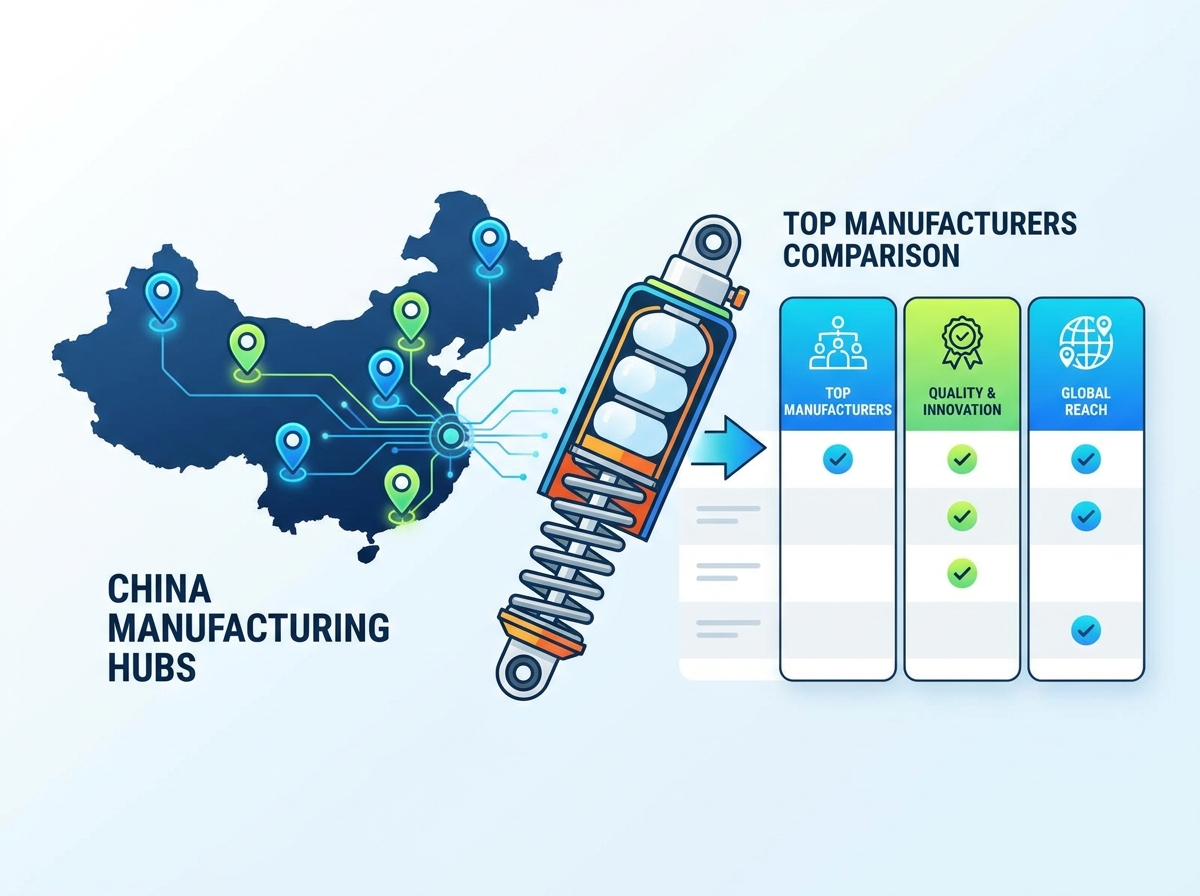
Among the leading air shock absorber manufacturers in China, Tianyi has established a strong reputation for delivering reliable air suspension solutions to global OEM and aftermarket customers. The company specializes in the development and production of air shock absorbers, air springs, air compressors, and complete air suspension systems for passenger and commercial vehicles. Backed by advanced manufacturing equipment, comprehensive in-house testing, strict quality control, and flexible OEM/ODM services, Tianyi consistently provides high-performance suspension products that meet international quality standards and the evolving demands of the global automotive market.
Breaking down the top market players based on their production focus, engineering capabilities, and market reputation helps align procurement needs with the right supplier profile. The market is broadly categorized into distinct segments, each serving specific industry demands. Selecting a factory that aligns with your volume and engineering requirements prevents mismatched expectations.
Shanghai Baolong Automotive Corporation operates as a publicly listed automotive supplier specializing in intelligent suspension systems, air springs, and electronic dampers. They are best suited for large-scale passenger vehicle assembly lines requiring zero-defect tolerances, high-volume automation, and long-term supply chain integration. Their facilities utilize heavy robotics and automated quality gates.
Wuxi KYB Top Absorber functions as a joint venture leveraging Japanese precision engineering standards to manufacture high-tier OE damper components. This facility is ideal for enterprise automotive platforms needing precise valving technologies and micro-tolerance internal components. They maintain strict clean-room environments for valve assembly.
Shanghai Sachs stands out as a highly integrated OEM supplier utilizing European engineering protocols. They deliver premium ride control components to major automotive joint ventures in China, making them a strong choice for direct Tier-1 replacements demanding exact compliance with European ride-handling standards. Their testing protocols mirror those found in Germany.
Guangzhou Tech Master Auto Parts Co., Ltd. is a leading specialist in reverse-engineering and manufacturing premium aftermarket air suspension parts for European, American, and Japanese luxury vehicles. They serve distributors and auto repair networks seeking drop-in replacements without sacrificing longevity. Their R&D team excels at identifying and fixing common failure points in original equipment designs.
GSW Auto Parts is known for manufacturing premium aftermarket shock absorbers, balancing cost-effectiveness with stringent physical quality control of valving shims and piston rods. They cater to global independent distributors requiring a broad catalog of passenger vehicle replacement shocks. Their production lines are highly flexible, allowing for rapid changeovers between different vehicle models.
Guangzhou Haichuan Auto Parts focuses on high-precision aftermarket air bellows, struts, and integrated compressor assemblies. Importers seeking direct-fit aftermarket parts with short lead times often partner with this highly specialized producer. They keep extensive raw material inventory to buffer against supply chain shocks.
GuangZhou EEP Autoparts Co., Ltd. operates as a high-volume aftermarket parts exporter providing highly standardized suspension solutions. Wholesalers looking for wide SKU coverage and consolidated shipping across diverse vehicle platforms find their extensive database highly beneficial. They excel at logistics and packaging optimization.
SMART Shocks represents China's top-tier manufacturer of adjustable, nitrogen-charged, and heavy-duty dampers engineered to endure high-stress off-road and utility conditions. They support niche performance brands requiring custom valving, heavy-duty load capacities, and specialized engineering support. Their shock bodies often feature thicker wall tubing and upgraded seal heads.
Kingham Technology Co., Ltd. is an R&D-focused developer of specialized off-road and adjustable shock absorber technology. Off-road suspension brands and specialized tuning houses requiring bespoke dampening profiles frequently utilize their custom tuning and performance setups. They offer extensive shim stack customization for specific terrain requirements.
NTA serves as a professional industrial damper manufacturer specializing in wholesale industrial shock absorption, energy dissipation, and high-frequency cycle durability. Their products are designed for non-automotive procurement, robotics, manufacturing lines, and automated conveyor systems. These units prioritize cycle life over ride comfort.
Taizhou Spare Parts Expert Import & Export Co., Ltd. acts as an aggregator and quality-assured supplier bridging specialized regional factories with international buyers. They offer flexible minimum order quantities, catering to mid-tier industrial equipment manufacturers and distributors looking for tailored component sourcing. They handle the complex export documentation and factory auditing on behalf of the buyer.
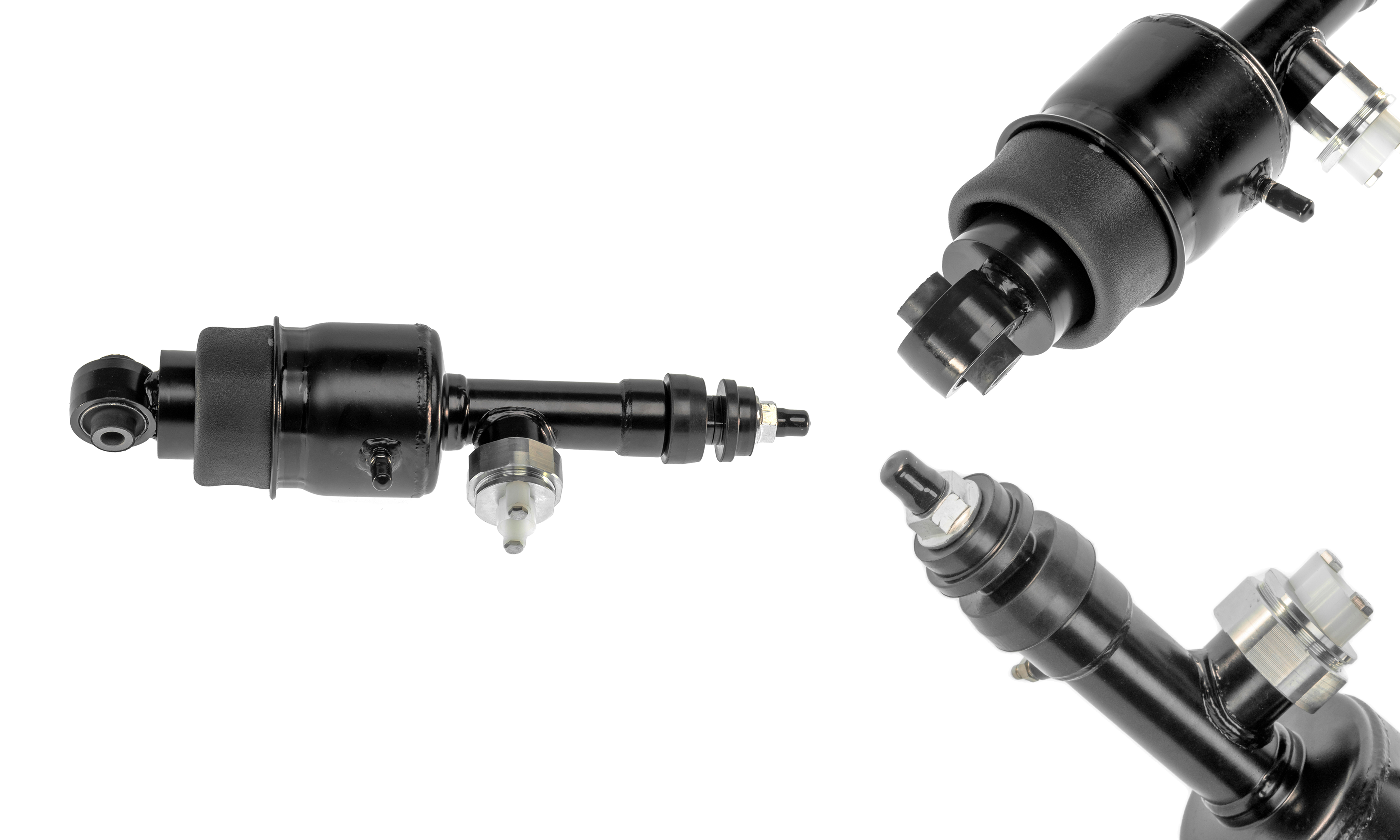
Understanding how specific manufacturing processes translate to end-user performance and reliability is required when auditing a factory. The quality of raw materials and the precision of the machining processes directly dictate the lifespan of the suspension component. You cannot build a durable shock absorber with substandard steel or poorly mixed rubber compounds.
Assessing the origin and composition of the elastomer is a primary evaluation step. High-quality bladders often utilize chloroprene or neoprene blends similar to those from Continental or Goodyear, rather than standard natural rubber. The outcome of using superior materials is increased resistance to dry rot, ozone exposure, temperature extremes, and structural failure under continuous high-pressure loads. Ask the factory for their rubber mixing logs and vulcanization temperature charts.
Material Type | Temperature Range | Ozone Resistance | Application Suitability |
|---|---|---|---|
Natural Rubber Blend | -20°C to +50°C | Low | Light duty, budget aftermarket |
Chloroprene (CR) | -40°C to +90°C | High | OEM replacement, heavy duty |
EPDM | -50°C to +120°C | Excellent | Extreme climate, performance |
The role of CNC machining tolerances cannot be overstated in the production of the internal piston, outer cylinder, and valving shims. Tight tolerances ensure predictable ride quality, the elimination of fluid aeration, and consistent rebound and compression rates over long operating periods. When walking the factory floor, check the calibration stickers on their CNC lathes and milling machines. Outdated or poorly maintained equipment leads to bypass leaks inside the shock body.
Evaluating the factory's automated assembly lines, robotic welding stations, and automated sealing systems versus manual assembly stations provides insight into their scalability. A capable manufacturer must demonstrate the ability to scale from initial pilot runs to high-volume production without a drop in structural and sealing quality. Manual welding on shock bodies often leads to inconsistent penetration and eventual failure under stress. Look for automated MIG or TIG welding cells.

Navigating the financial, engineering, and operational compromises when aligning with a Chinese manufacturer versus global tier-1 brands requires a strategic approach. Buyers must weigh initial costs against long-term reliability and support. You are trading brand recognition for margin, but you cannot sacrifice safety or core functionality.
The hidden costs of cheap suspension components often manifest as premature oil seal failure, micro-leaks in the air bladder, and high warranty return rates. Calculating the return on investment of paying a premium for 100% end-of-line dynamic testing and premium Japanese oil seals often reveals that higher upfront costs lead to greater long-term profitability and customer satisfaction. A blown seal in the field costs ten times more to replace than buying the upgraded seal at the factory level.
Procurement teams must balance the benefits of off-the-shelf aftermarket parts, which offer low MOQs and fast lead times, against custom-valved, proprietary designs that require high MOQs, tooling costs, and longer lead times. Developing strategies for negotiating tiered MOQs during the initial validation phase can help mitigate risk while testing a new supplier's capabilities. Start with a small batch, validate the quality, and then scale up the purchase orders.
Identifying and neutralizing common pitfalls when partnering with a Chinese manufacturer is essential for maintaining a stable supply chain. Proactive management and clear contractual agreements are the best defenses against quality fade and intellectual property theft. Never assume that a successful first batch guarantees a successful tenth batch.
A significant risk in overseas manufacturing is the tendency for quality to degrade after the first few successful production runs, often due to the factory switching to cheaper raw material suppliers. Implementing third-party pre-shipment inspections and establishing strict Acceptable Quality Limit standards are effective mitigations against this issue. You must physically inspect the goods before they are loaded into the shipping container.
Define clear AQL parameters for major and minor defects.
Hire an independent inspection agency to pull random samples from the production run.
Require the factory to provide material test reports for every new batch of rubber or steel.
Conduct unannounced factory audits annually to verify equipment maintenance.
Factories may attempt to reuse proprietary valving designs or custom tooling for other clients. Drafting enforceable Non-Disclosure, Non-Use, and Non-Circumvention agreements governed by Chinese law is a critical step in protecting intellectual property and ensuring tooling ownership remains with the buyer. Make sure the tooling has your company name physically stamped into the metal.
To successfully source high-quality suspension components, follow these actionable steps:
Request detailed documentation of IATF 16949 certification and verify its validity with the issuing body.
Demand a comprehensive list of in-house testing equipment, specifically dynamometers and fatigue testing rigs.
Conduct a pilot run with a small MOQ to validate material quality and damping consistency before committing to large-scale orders.
Implement mandatory third-party inspections for every batch to prevent quality fade over time.
Selecting the right air shock absorber manufacturer requires more than comparing prices. Evaluating certifications, manufacturing capabilities, testing standards, production capacity, and quality control processes will help you build a reliable supply chain and ensure consistent product performance over the long term.
Working with an experienced manufacturing partner can significantly reduce sourcing risks and improve product reliability. Tianyi is a professional manufacturer of air suspension components, offering air shock absorbers, air springs, compressors, and complete suspension solutions for global OEM and aftermarket customers. With advanced manufacturing equipment, comprehensive quality testing, and flexible OEM/ODM services, Tianyi delivers dependable suspension products that meet international quality standards.
Verify certifications such as IATF 16949 and evaluate the supplier's in-house testing capabilities before placing an order.
Assess manufacturing capacity, quality control systems, and engineering expertise to ensure long-term production stability.
Start with pilot orders and third-party inspections to validate product quality before scaling procurement.
Build partnerships with manufacturers that offer reliable technical support, customization, and consistent product performance.
Before selecting an air shock absorber manufacturer, evaluate their production capabilities, quality management system, supply chain stability, and after-sales support to ensure long-term business success.
A: IATF 16949 is the most critical certification. It ensures the manufacturer adheres to stringent, globally recognized quality management standards specific to the automotive industry, which is essential for safety-critical components like suspension systems.
A: Request material composition reports and ask for documentation on burst pressure and extreme temperature cycling tests. High-quality bladders typically use chloroprene or neoprene blends for superior ozone and temperature resistance.
A: In-house dynamometer testing verifies the damping curves across different velocities. This ensures the component provides consistent ride quality and meets the specific performance requirements of the target vehicle application.
A: Quality fade occurs when a manufacturer subtly reduces material quality or manufacturing standards after initial successful batches. Prevent it by enforcing strict Acceptable Quality Limit standards and conducting regular third-party pre-shipment inspections.
A: Protect your intellectual property by drafting and executing a Non-Disclosure, Non-Use, and Non-Circumvention agreement that is specifically enforceable under Chinese law before sharing any proprietary designs or paying for tooling.


