
Views: 0 Author: Site Editor Publish Time: 2026-07-23 Origin: Site
An air suspension system operates as a highly interdependent mechanical loop. Every component relies on the integrity of the others to function correctly. A failure in one area rapidly accelerates wear across the entire system. Vehicle owners often overlook early warning signs. Ignoring these indicators compromises ride comfort and vehicle stability. It also directly leads to catastrophic air compressor burnout. Driving on compromised suspension components introduces severe handling hazards. You must address these issues immediately to maintain vehicle safety. Recognizing bad air shock absorber symptoms early prevents extensive mechanical damage. This guide provides a technical diagnostic framework. It helps vehicle owners and fleet managers identify exact failure points. You will learn how to evaluate the severity of suspension damage. This knowledge allows you to determine the most effective repair or replacement strategy. Proper diagnosis separates a simple component swap from a massive system overhaul.
Symptom Categorization is Critical: Differentiating between an air bladder leak (sagging) and a hydraulic damper failure (bouncing) dictates the required repair.
Cascading Failure Risk: A continuous air leak forces the suspension compressor to run without cycling off, leading to thermal overload and a drastically higher repair bill.
Replacement Strategy: Replacing air shocks in pairs per axle is a non-negotiable best practice to maintain vehicle geometry and predictable handling.
Conversion vs. Retention: Owners must weigh the long-term reliability of a coil spring conversion kit against the load-leveling benefits of retaining the factory air shock absorber system.
Table of Contents
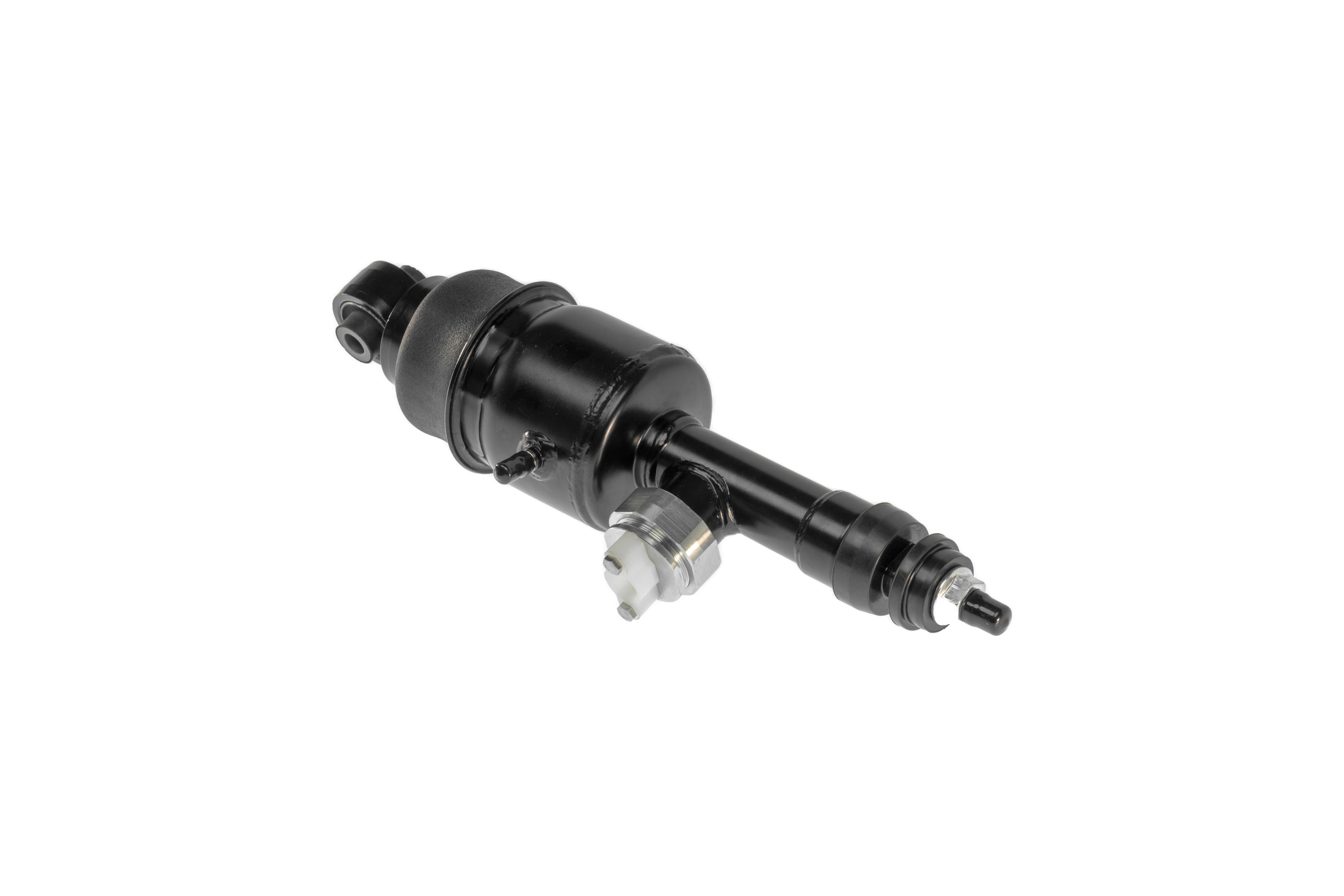
An air shock absorber serves a dual-function role within the chassis. It features a pneumatic air spring that supports the physical weight of the vehicle. It also contains a hydraulic damper that controls suspension motion. The air spring inflates or deflates to adjust ride height based on payload. The hydraulic damper provides fluid resistance to stop the vehicle from bouncing after hitting a bump. Both elements must operate flawlessly to maintain stability. A failure in either section requires immediate attention. You cannot repair a blown internal seal; you must replace the entire unit.
The pneumatic side relies on a heavy-duty rubber bladder, crimping rings, and O-ring seals. The hydraulic side uses a piston moving through oil-filled chambers separated by shim valves. When the rubber bladder leaks, the vehicle loses its ability to support weight. When the hydraulic seals fail, the vehicle loses its ability to control kinetic energy. Understanding this distinction helps you pinpoint exactly what is failing under the chassis.
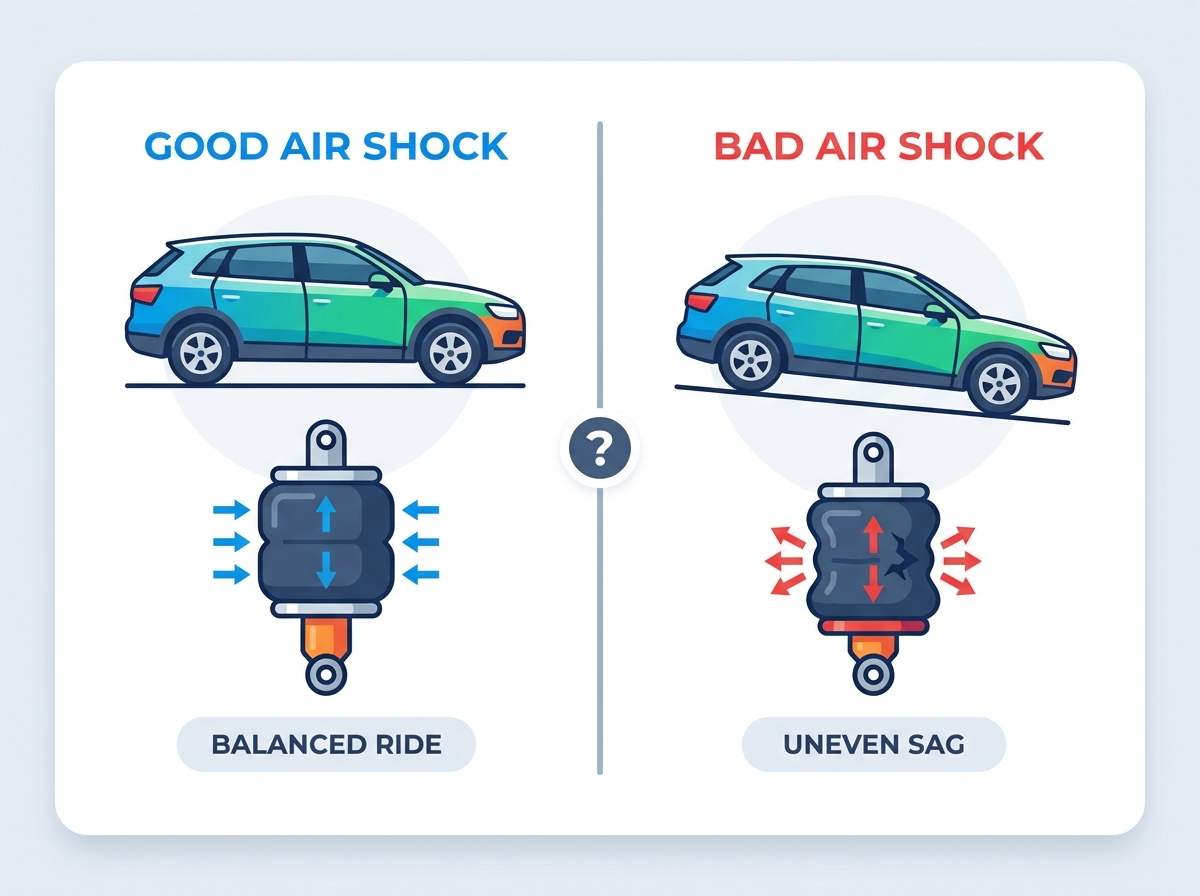
A properly functioning air suspension system meets specific performance baselines. It maintains a consistent ride height across all four corners, even after sitting for days. The system provides active load leveling when you add heavy cargo or attach a trailer. It immediately dampens road irregularities to isolate the cabin from impacts. The compressor cycles on briefly to adjust pressure and shuts off once the system reaches optimal height. The vehicle tracks straight and remains stable during aggressive cornering. Any deviation from these baselines indicates underlying mechanical wear.
You should hear the compressor run for perhaps ten to twenty seconds upon startup. It should not run continuously while driving. The ride should feel firm but compliant, without excessive body roll. The transition over speed bumps should result in one smooth compression and rebound cycle. If the vehicle bounces three or four times after a bump, the hydraulic damping has failed.
Most factory air shocks offer a realistic lifespan of 80,000 to 120,000 miles. Daily mechanical abuse constantly stresses the internal seals and rubber bladders. Environmental factors heavily accelerate rubber compound breakdown over time. Sun and UV exposure cause external dry rot on exposed rubber components. Ozone degradation weakens the flexible air sleeves, making them brittle. Road salt, sand, and debris create abrasive friction against the moving parts.
Extreme temperature fluctuations cause the rubber to expand and contract. This thermal cycling eventually leads to micro-tears in the folding sections of the air bladder. Winter conditions are particularly harsh, as freezing temperatures make the rubber stiff and prone to cracking under sudden impacts. Summer heat increases internal air pressure, stressing aging crimp rings and plastic air line fittings.
Forward weight transfer becomes severe when front dampers lose hydraulic resistance. This causes a pronounced nosedive during hard braking. The front bumper dips dangerously close to the pavement, altering the headlight aim and reducing steering effectiveness. The anti-lock braking system (ABS) may engage prematurely because the front tires lose optimal traction. Rear shock failure causes the vehicle to squat heavily under acceleration. The rear suspension compresses as engine torque transfers backward, lifting the front tires and making the steering feel light and disconnected.
You will also notice a significant loss of lateral stability during cornering. This swaying and body roll drastically increases rollover risk in heavy SUVs and trucks. The vehicle leans heavily to the outside of the turn. A vehicle may also pull to one side after hitting a bump. This happens when one damper rebounds slower than the opposite side, momentarily altering the steering geometry.
Overnight sagging is a primary indicator of a compromised air bladder. Micro-tears allow pressurized air to escape slowly while parked. You will find the vehicle sitting lower on one corner or an entire axle by morning. Sometimes the vehicle drops completely to the bump stops. The system also loses its ability to maintain proper trim height under load. The suspension fails to level out when towing trailers or carrying heavy payloads. The rear end remains sagged even while the engine runs and the compressor attempts to fill the bags.
Uneven ride height puts massive stress on the sway bar end links and control arm bushings. It forces the suspension to operate outside its designed geometry range. This constant misalignment accelerates wear on every connected steering component. You might notice the steering wheel is no longer centered when driving straight.
Internal hydraulic fluid degrades or leaks out over time. This leaves only the pneumatic spring to absorb road impacts. The result is excessive bouncing, commonly known as the pogo effect. The vehicle continues to oscillate long after passing over a bump. The tires may actually lose contact with the road surface over washboard terrain. Complete loss of air pressure leads to harsh bottoming out. The suspension chassis slams directly against the rubber bump stops.
This mechanical impact transfers violent shocks directly into the passenger cabin. It feels like hitting a pothole with solid steel wheels. Bottoming out can bend control arms, damage CV joints, and shatter plastic underbody panels. The constant jarring loosens interior trim pieces and creates persistent cabin rattles.
Cracked rubber bladders or faulty O-rings allow pressurized air to escape. This creates distinct hissing noises near the wheel wells after shutting off the engine. You might hear the air leaking as the vehicle attempts to vent pressure and level itself. Internal shock mount failures produce popping or clunking sounds over bumps. Loose lock collars also generate similar metallic noises. You must contrast these sounds against external wear sources like worn control arm bushings or bad ball joints.
Inspect the inner tire sidewall for physical wear marks. A bulging air bladder or misaligned component will rub against the tire. This friction creates a smooth, shiny ring around the inner sidewall. Altered suspension geometry also leads to accelerated inner or outer tread wear. The tires will show signs of cupping or feathering due to the lack of hydraulic damping.
The suspension compressor runs continuously to compensate for an active air leak. It attempts to maintain pressure but never reaches the shut-off threshold. This constant operation leads to severe overheating. The compressor's internal piston ring wears out, and the electric motor eventually burns up. Ride height sensors detect these sustained pressure anomalies. They trigger dashboard warning lights to alert the driver.
You will typically see "Air Suspension Fault" or "Check Air Ride" messages on the instrument cluster. The system may enter a hard fault mode, disabling the compressor entirely to prevent a fire hazard. Ignoring these warnings guarantees a cascading failure across the entire pneumatic network, including the valve block and air reservoir.
You can identify active leaks using a simple soap and water solution. This is the most reliable method for finding micro-tears in the rubber bladder or leaks at the air line fittings. Follow these steps to perform the test accurately.
Mix liquid dish soap with water in a standard spray bottle. Use enough soap to create a thick, sudsy mixture.
Start the vehicle and let the air suspension pump up to its normal ride height.
Safely raise and support the vehicle using proper jack stands. Never rely solely on a hydraulic jack when working under a vehicle.
Spray the soapy mixture generously over the entire rubber air bladder. Pay special attention to the bottom fold where the rubber rolls over the lower piston.
Coat the brass fittings, plastic air lines, and O-ring connections at the top of the shock mount.
Watch closely for expanding bubbles forming on the surface. Bubbles indicate exactly where pressurized air is escaping from the system.
Mark these leaking areas with a paint pen to determine if you need a new fitting, a new O-ring, or a complete shock replacement.
The overnight drop test helps quantify slow leaks that evade visual inspection. Sometimes a leak only occurs when the suspension sits at a specific height. This test provides hard data on suspension sag.
Park the vehicle on a perfectly level concrete or asphalt surface in the evening.
Start the engine and allow the suspension to settle at its standard normal ride height.
Turn off the engine and disable any automatic leveling features if your vehicle has a suspension lock switch.
Use a tape measure to record the distance from the exact center of the wheel hub straight up to the bottom edge of the fender lip.
Measure and record this distance for all four corners accurately. Write the numbers down.
Leave the vehicle parked overnight without opening the doors or starting the engine, as this might wake up the suspension module.
Measure the exact same points the following morning. A drop of more than half an inch indicates a leak in that specific corner or the associated valve block line.
Inspect the metal shock body for signs of hydraulic seal failure. Look for dark, oily residue weeping down the side of the damper. Dirt and road grime will stick to this leaking hydraulic fluid, creating a thick, greasy sludge. A wet shock body confirms that the internal valving is compromised. The damper can no longer control suspension rebound. You must replace the unit even if the air bladder still holds pressure perfectly.
Check the condition of the upper strut mount. Look for cracked or torn rubber isolators. A damaged upper mount allows the shock shaft to move laterally, creating clunking noises over bumps. Inspect the lower mounting bushing where the shock attaches to the control arm. If the rubber bushing is torn or missing chunks, the shock will shift under load.
Inspect the wheel well for physical contact between the tire and the air spring. Look for shiny rub marks on the metal sleeves or frayed rubber on the bladder. Verify that all lock collars and mounting bolts are tight. Use a torque wrench to ensure mounts meet factory specifications. Loose hardware causes shifting during driving, which mimics internal shock failure.
Check the plastic air lines for chafing. Sometimes the lines rub against the chassis or inner fender liner, wearing a hole through the plastic. Ensure the lines are properly routed and secured in their factory retaining clips. Inspect the electrical connector on top of the shock if your vehicle has active damping. Look for corroded pins or broken wires that could trigger a suspension fault code.
A prolonged air leak places immense strain on the compressor. You must test the compressor to see if it has suffered thermal damage before installing new shocks. Listen to the compressor while it runs. A healthy unit emits a smooth, consistent hum. A damaged unit sounds raspy, loud, or rattles excessively due to worn internal bearings.
Check the compressor relay for signs of melting or scorching. A burnt relay indicates the motor has been pulling excessive amperage due to overheating. Inspect the air dryer attached to the compressor. If the desiccant beads inside are saturated with moisture, the compressor is working too hard and pumping wet air into the system. This moisture rusts the internal valve block components and freezes in winter.

Once you diagnose the failure, you must choose a repair path. The right choice depends on your vehicle's age, your driving habits, and your long-term reliability goals. Review the options carefully before purchasing parts.
Solution Type | Pros | Cons |
|---|---|---|
OEM Replacement Air Shocks | Guaranteed factory ride quality, seamless integration with active damping modules, exact fitment, maintains original vehicle specifications. | Highest initial purchase price, subject to the same eventual failure mechanisms, requires specialized diagnostic tools for calibration. |
Aftermarket Air Shocks | Often re-engineered to address OEM design flaws, features thicker rubber bladders, utilizes upgraded CNC-machined aluminum components. | Variable quality depending on the manufacturer, requires careful vetting for warranty coverage, may ride slightly stiffer than factory units. |
Coil Spring Conversion Kits | Eliminates the air system entirely, zero risk of future air leaks or compressor failures, highly predictable maintenance, simplifies the chassis. | Permanent loss of automatic load-leveling, potential dashboard warning light mitigation requirements, stiffer unladen ride quality, alters towing dynamics. |
OEM replacements offer the best ride quality but retain the inherent vulnerabilities of air suspension. High-quality aftermarket units often provide a better balance of durability and performance by upgrading weak factory materials. Coil spring conversions offer ultimate peace of mind for older vehicles, completely removing the complex pneumatic network from the equation.
Replacing air shocks in pairs per axle is a strict mechanical requirement. Mixing an old, fatigued air shock with a new, rigid one creates dangerous imbalances. The new shock responds to road inputs much faster than the degraded unit. This uneven damping causes the vehicle to pull sharply during emergency maneuvers. It also places abnormal stress on the sway bar and control arm bushings.
The older shock will likely fail shortly after replacing the opposite side anyway. The new shock forces the older unit to absorb more kinetic energy, accelerating its demise. Always replace both front or both rear units simultaneously to ensure predictable handling and maintain a level stance. Cutting corners here compromises safety and leads to redundant labor efforts.
Installing new suspension components alters the physical geometry of the chassis. You must reset the ride height sensors post-installation. This requires connecting an OBD2 diagnostic tool to recalibrate the suspension module. The system needs to learn the new baseline height to level the vehicle correctly. Skipping this step results in a vehicle that sits crooked or constantly adjusts itself while driving.
You must also perform a comprehensive four-wheel alignment. Changing the shocks affects camber and toe angles. Failing to align the vehicle results in rapid tire wear and wandering steering. The vehicle will feel unstable at highway speeds. Always factor the cost of a professional alignment into your repair plan.
Ignoring early symptoms often damages secondary components. You must inspect the entire system before ordering parts. Budget for a replacement air suspension relay as a preventative measure. Relays often stick closed after handling the high amperage of an overworked compressor. A stuck relay will force the new compressor to run continuously until it burns out.
You may also need a new compressor if the old one exhibits signs of thermal degradation. Replacing the shocks without addressing a weak compressor leads to sluggish system performance. The vehicle will take far too long to reach ride height, triggering timeout fault codes in the computer. Inspect the valve block for internal leaks, as debris from a failing compressor often clogs the delicate solenoids.
Recognizing bad air shock absorber symptoms at an early stage helps prevent costly air suspension failures and improves overall driving safety. By identifying air leaks, hydraulic damper wear, compressor issues, and suspension performance changes in time, vehicle owners and technicians can choose the right repair strategy and extend the service life of the entire suspension system.
Selecting high-quality replacement components is equally important for long-term reliability. Tianyi specializes in manufacturing premium air suspension products, including air shock absorbers, air springs, compressors, and complete suspension solutions for passenger vehicles and commercial applications. With advanced manufacturing capabilities, strict quality control, and OEM/ODM services, Tianyi delivers reliable products trusted by customers worldwide.
Check your air suspension regularly for uneven ride height, air leaks, and excessive compressor operation.
Diagnose suspension problems early to prevent damage to compressors, valve blocks, and other related components.
Replace air shock absorbers in axle pairs to maintain balanced handling and suspension performance.
Choose high-quality replacement parts that meet OEM standards for improved durability and reliability.
Before selecting an air suspension parts supplier, evaluate their manufacturing experience, product quality, technical support, and supply chain reliability to ensure long-term vehicle performance and safety.
A: Driving on a failed air shock is highly dangerous. It compromises vehicle stability, increases braking distance, and causes unpredictable handling. Continued driving also forces the air compressor to run constantly, leading to severe thermal damage and broader system failure.
A: Most factory units last between 80,000 and 120,000 miles. Lifespan depends heavily on driving conditions, climate, and payload frequency. Extreme temperatures, road salt, and frequent towing accelerate rubber degradation and internal seal wear.
A: Sagging on a single corner usually indicates a micro-tear in that specific air bladder. It can also result from a leaking brass fitting, a damaged O-ring connecting the air line to the shock assembly, or a stuck valve block solenoid.
A: Yes. A leak forces the compressor to run continuously to maintain system pressure. This lack of a cooling cycle causes the compressor motor to overheat, melt internal wiring, and eventually fail completely.
A: A bad air bag leaks pressure, causing the vehicle to sag or sit unevenly. A bad internal shock leaks hydraulic fluid and causes excessive bouncing after hitting bumps, even if the vehicle maintains proper ride height.
A: Yes. Collapsed or bouncing suspension alters the camber and toe angles of the wheels. This improper geometry forces the tires to scrub against the pavement, resulting in rapid inner or outer tread wear and cupping.


